
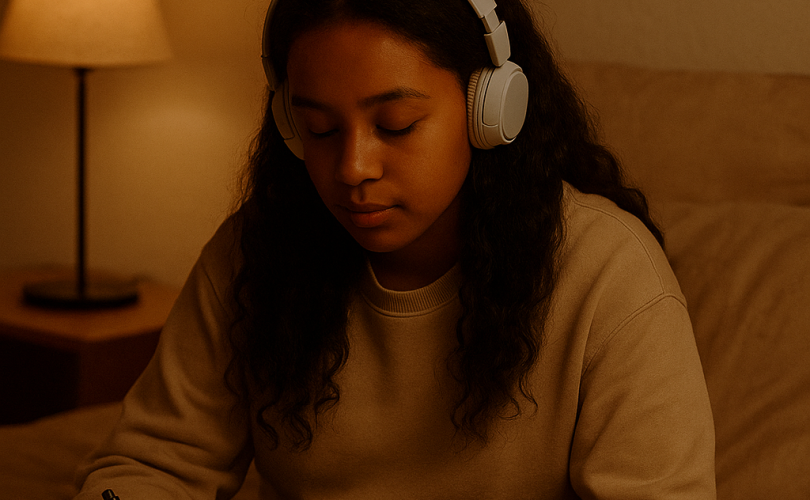
As we reach the final week of term, many families are holding two very different things at once.
On one hand, there’s the excitement of Christmas — a pause, a celebration, a chance to breathe.
On the other hand, there’s a quiet pressure building beneath the surface: exam season is coming.
GCSEs. A-levels. University assessments. Coursework deadlines.
For many young people, this time of year isn’t just festive — it’s emotionally demanding.
Hi to all of you from us here at the Julian Campbell Foundation.
At this point every year, we see the same pattern emerging — and today we want to gently bring it into awareness, so families can move through this season with more calm, confidence, and connection.
Why This Time of Year Feels So Heavy
Young people across generations experience this, but it’s particularly intense for teenagers and students. Exams can feel like a defining moment — a test not just of knowledge, but of worth, future, and identity.
At JCF, through our Mood Mentoring programmes in schools and communities, we support young people to manage their mental health and wellbeing, especially during high-pressure periods like this.
One thing we know for certain:
Achievement doesn’t begin with academic intelligence — it begins with emotional intelligence.
When young people learn to understand their moods, regulate stress, and move themselves into a more resourceful state, their confidence and achievement rise naturally.
The Power of Scaffolding: What Parents & Carers Can Offer
One of the most consistent messages from our mood mentors is this:
Young people thrive when adults provide a steady, predictable framework around them.
Not control — scaffolding.
This foundation allows young people to focus, rest, revise, and grow.
1. Create a Balanced Daily Rhythm
Consistency is calming for the nervous system.
Support young people with:
- Regular wake-up and sleep times
- At least 8 hours of sleep (especially for teenagers)
- Clear boundaries between revision and rest
Late nights, all-nighters, and caffeine-fuelled study sessions may feel productive — but they often increase anxiety and reduce focus.
Think of energy drinks like a credit card: you borrow now, but the cost comes later.
Water, proper meals, and sleep are far more effective.
2. Movement Matters
Young people need around an hour of movement a day — and it doesn’t have to be all at once.
A walk after meals.
A short workout.
Fresh air between revision sessions.
Movement resets the brain and improves concentration — especially during exam preparation.
3. Regular, Nourishing Meals
Especially during holidays or half-term, routines can slip.
Try to keep:
- Fixed meal times
- Nutritious food
- Shared meals where possible
A short walk after eating is one of the simplest ways to improve mood and digestion — and it’s often when the best conversations happen.
4. Encourage Open, Judgment-Free Communication
One of the greatest gifts you can give a young person right now is your full attention.
That means:
- Listening without interrupting
- Putting the phone down
- Not rushing to fix or advise
Sometimes young people don’t need solutions — they need to be heard.
A problem shared really is a problem halved.
When young people feel listened to, they carry less emotional weight — and that frees up energy for learning.
5. Support Revision — Without Adding Pressure
Most schools will already have provided revision timetables. Where possible:
- Familiarise yourself with their plan
- Help break revision into manageable chunks
- Encourage short, regular breaks
And here’s something many students (and parents) find reassuring:
It’s better to know less content deeply than more content superficially.
As a former science teacher and consultant for 20 years, I’ve seen this again and again. Deep understanding transfers across questions and topics — and builds confidence in the exam room.
When Extra Support Is Needed
This time of year can feel overwhelming — and that’s okay.
If a young person seems particularly anxious, withdrawn, or stuck:
- Speak with the school
- Reach out to mentors or counsellors
- Consider additional emotional support
At the Julian Campbell Foundation, our mood mentors work alongside schools to help young people manage stress, anxiety, and pressure — especially during exam periods.
A Holiday Message to Families
Whatever you do now — the routines you create, the way you listen, the calm you model — you are teaching young people how to manage themselves for life, not just for exams.
This Holiday season, aim for:
- Structure, not stress
- Presence, not pressure
- Support, not perfection
And remember: you don’t have to do this alone.
From all of us at the Julian Campbell Foundation, we wish you and the young people in your life a peaceful Christmas period, steady preparation for the months ahead, and the confidence to move forward — one calm step at a time.
If there’s anything you’d like us to speak about next, please leave a comment below.
— Julian Campbell Foundation